
An Ancient Practice
Stations of the Cross
A journey through the final hours of Jesus' life, from Gethsemane to the tomb. At each station you will find a scripture, questions for reflection, and a brief meditation. Move at whatever pace feels right. Linger where something stirs.
"Where do I see my own life in this story?"
Meditations inspired by the art and writings of Scott Erikson. Adapted for congregational use by Lovers Lane UMC.
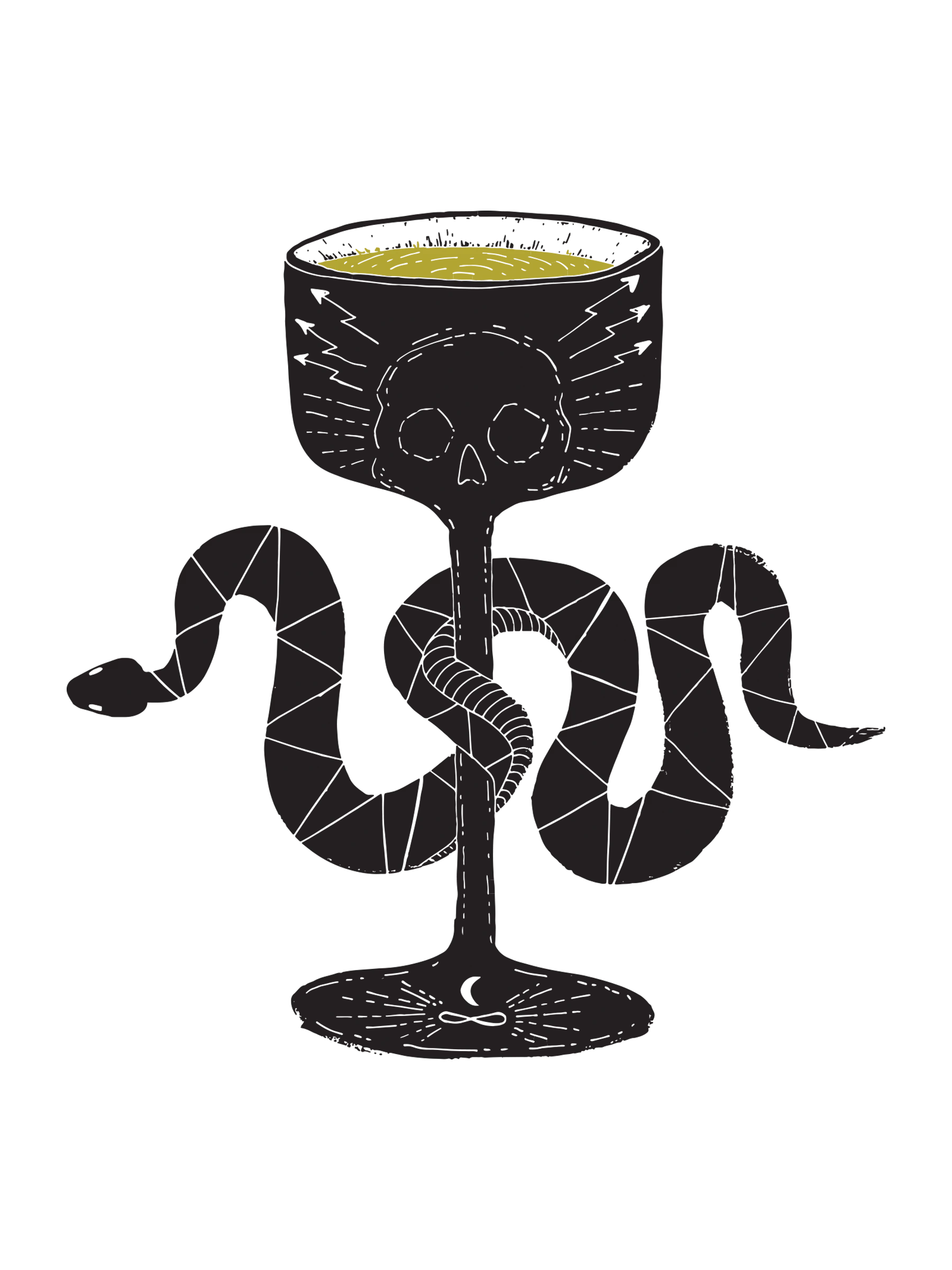
"My soul is overwhelmed with sorrow to the point of death. Stay here and keep watch with me."
Matthew 26:38Questions for Reflection
- What moments have brought you to desperate, honest prayer?
- When do you find it hardest to say yes to the life right in front of you?
- When have you needed others to pray with you?
Meditation
Jesus is in the garden, on his knees, asking for a different road. He does not want what is ahead.
Most of us will never face an execution. But we know what it is to resist the life we've actually been given — to want different circumstances, a different body, a different set of limitations. We know the pull toward distraction and escape.
Jesus was tempted by the same desire: to not be here. And yet he chose presence. He invites us, gently, to do the same. "Father, take this cup from me. But not my will, but yours be done."
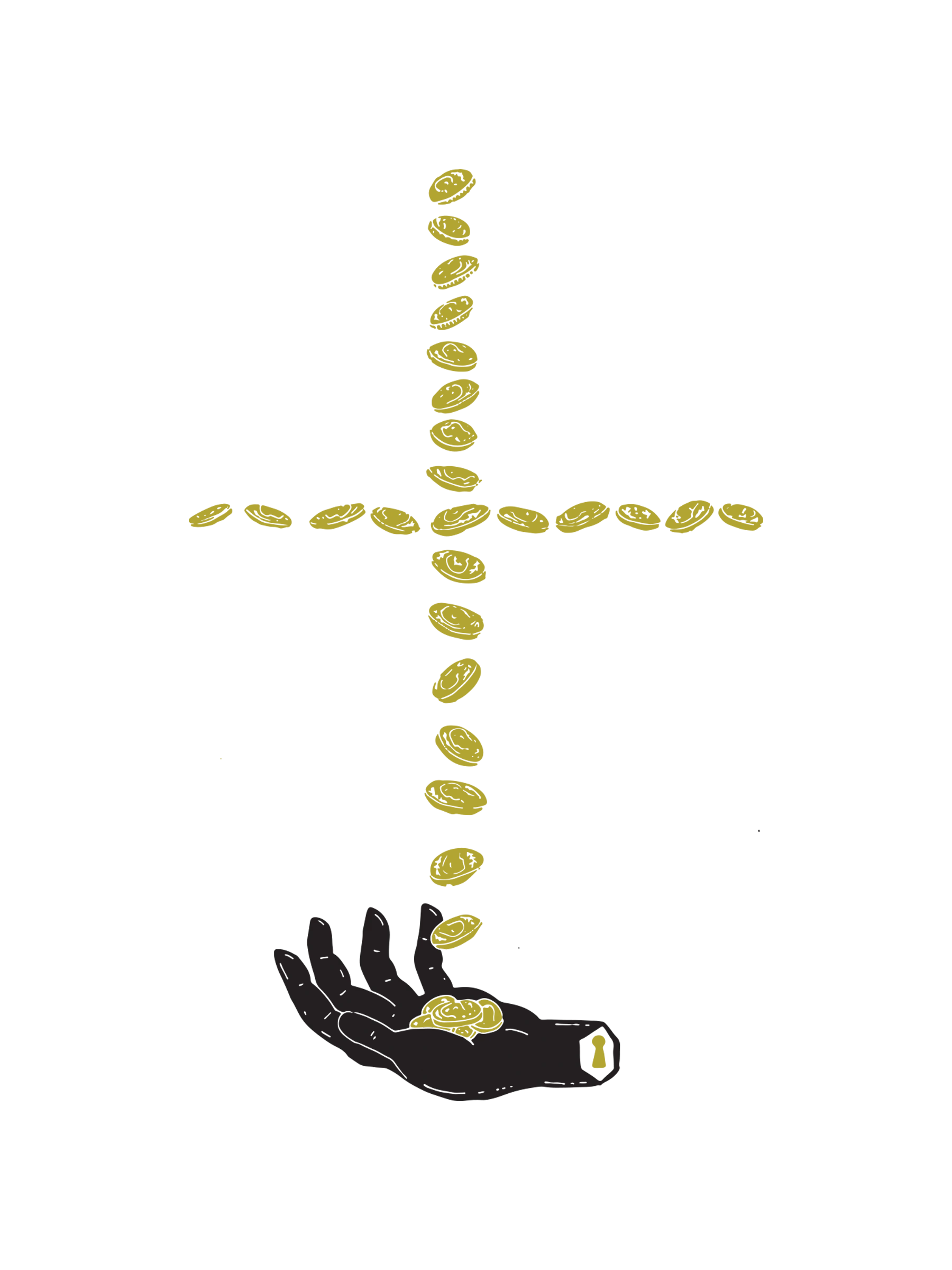
"Friend, do what you came here to do."
Matthew 26:50Questions for Reflection
- What words or feelings come up when you hear the word "betrayal"?
- Have you ever felt let down by something you believed in deeply?
- When have you been tempted to walk away from a way of life that was asking too much?
Meditation
Judas wanted a Messiah who would win — who would take power and put things right by force. Instead he got a teacher who said love your enemies and refused to fight back. Judas had had enough.
We may be more sympathetic to him than we'd like to admit. How quickly do we abandon a way of living when it stops producing what we hoped for? How easily do we trade the difficult road of love for something that promises more control?
Jesus looked at his betrayer and called him "Friend." That word should stop us.
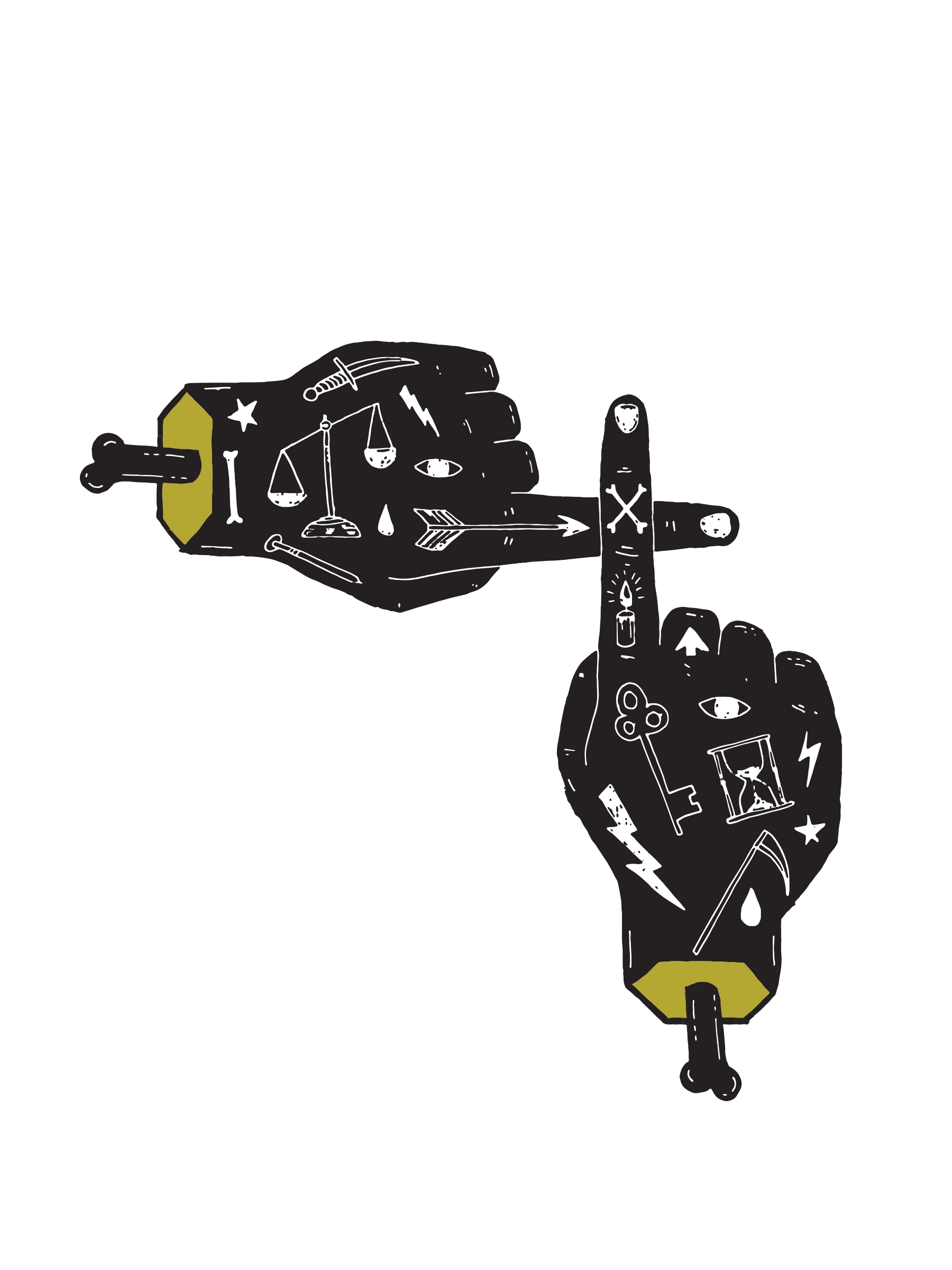
"You would have no power over me if it were not given to you from above."
John 19:11Questions for Reflection
- What strikes you about Jesus' quietness before his accusers?
- Have you witnessed a moment when a system meant to protect people failed them?
- What does it mean that Jesus was condemned by religious people who thought they were doing right?
Meditation
Jesus was put on trial by people who felt threatened by his message. There were false witnesses. Pilate couldn't find a real charge. The crowd's answer wasn't an argument — it was a demand.
We want to believe that justice systems are just. But we have all seen how fear can bend even well-meaning institutions away from truth. The people who condemned Jesus were not monsters. They were afraid.
This station invites us not only to grieve what happened to Jesus, but to ask honestly: where might our own fear be doing the same?
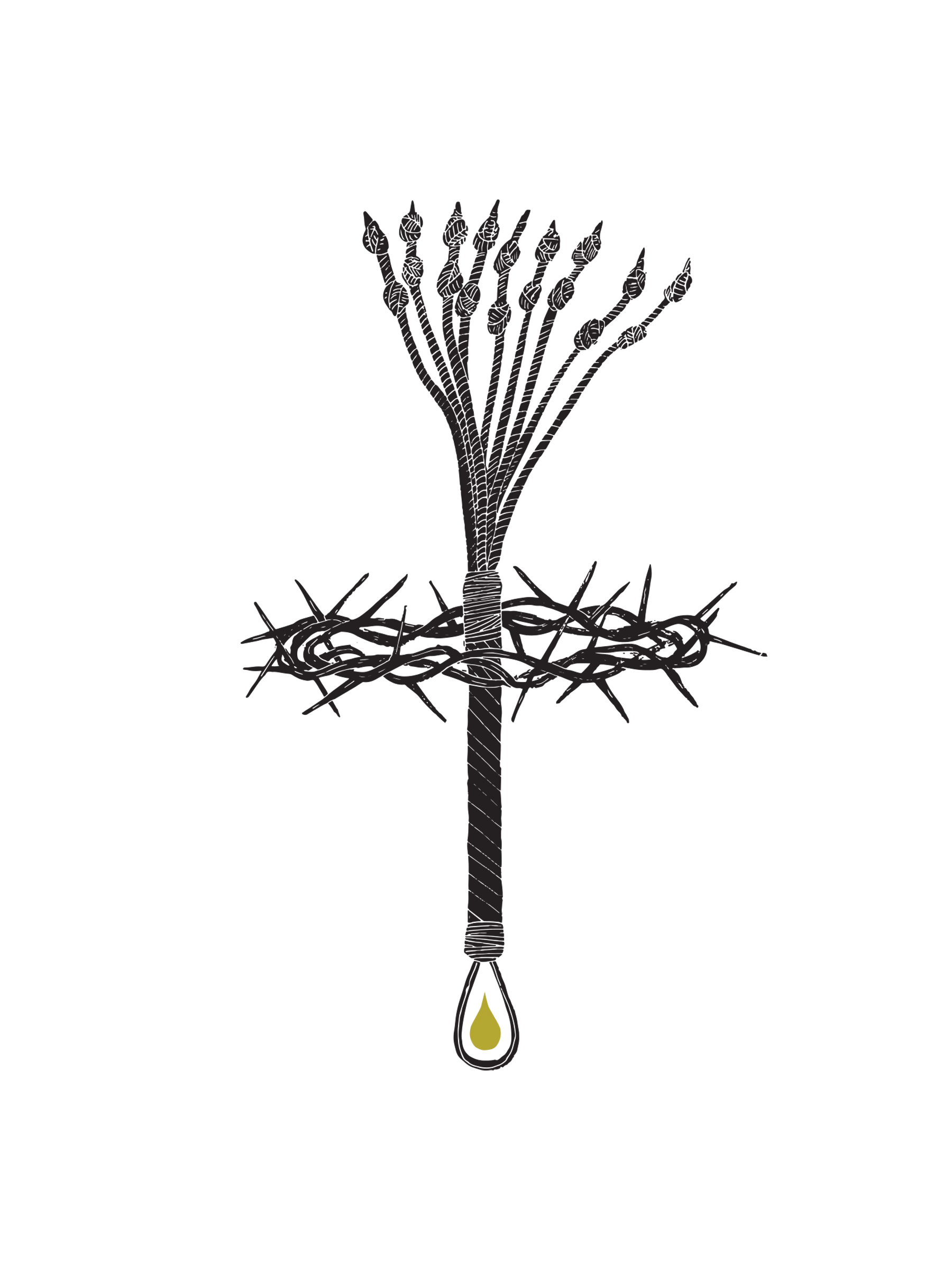
"But if I spoke the truth, why did you strike me?"
John 18:23Questions for Reflection
- Why do you think the soldiers mocked Jesus rather than simply doing their job?
- Have you ever released your pain onto someone who didn't deserve it?
- Where do you feel most vulnerable to being dismissed or diminished?
Meditation
The soldiers didn't have to do this. They chose to. A crown of thorns. A mock robe. Cruelty dressed up as comedy.
Cruelty rarely comes from nowhere. It is often the overflow of people who are worn down, powerless, living lives that haven't gone the way they hoped. That doesn't excuse it — but it may help us recognize it in ourselves.
We have all, at some point, taken our pain out in the wrong place. Jesus absorbs it without retaliation. He stands with everyone who has ever been mocked or stripped of dignity. There is no shame he doesn't know from the inside.
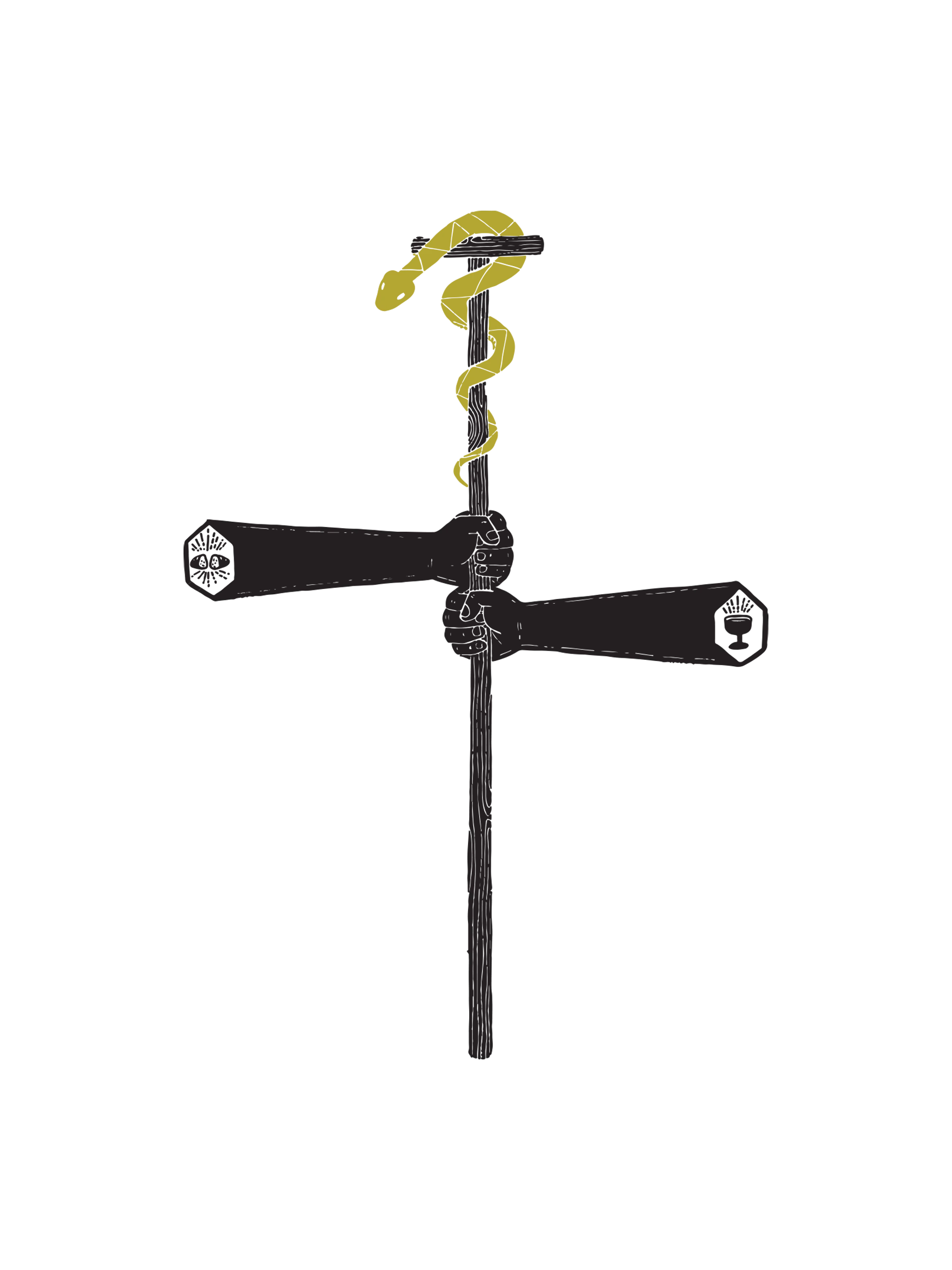
"Just as Moses lifted up the snake in the desert, so the Son of Man must be lifted up, that everyone who believes in him may have eternal life."
John 3:14–15Questions for Reflection
- If you could remove one aspect of your life, what would it be?
- What does "take up your cross daily" mean to you?
- What would it look like to practice acceptance of something you cannot control?
Meditation
Jesus was handed something he did not want. Something whose weight represented the weight of everything happening to him that he could not stop.
All of us will be handed things we did not choose: illness, loss, limitation, heartbreak. The question is not whether they will come. It is what we do when they arrive.
There is a mysterious wisdom in surrender, in saying "not my will but yours," that opens us to something larger than our circumstances. It is still a mystery being formed in many of us. You are in good company.
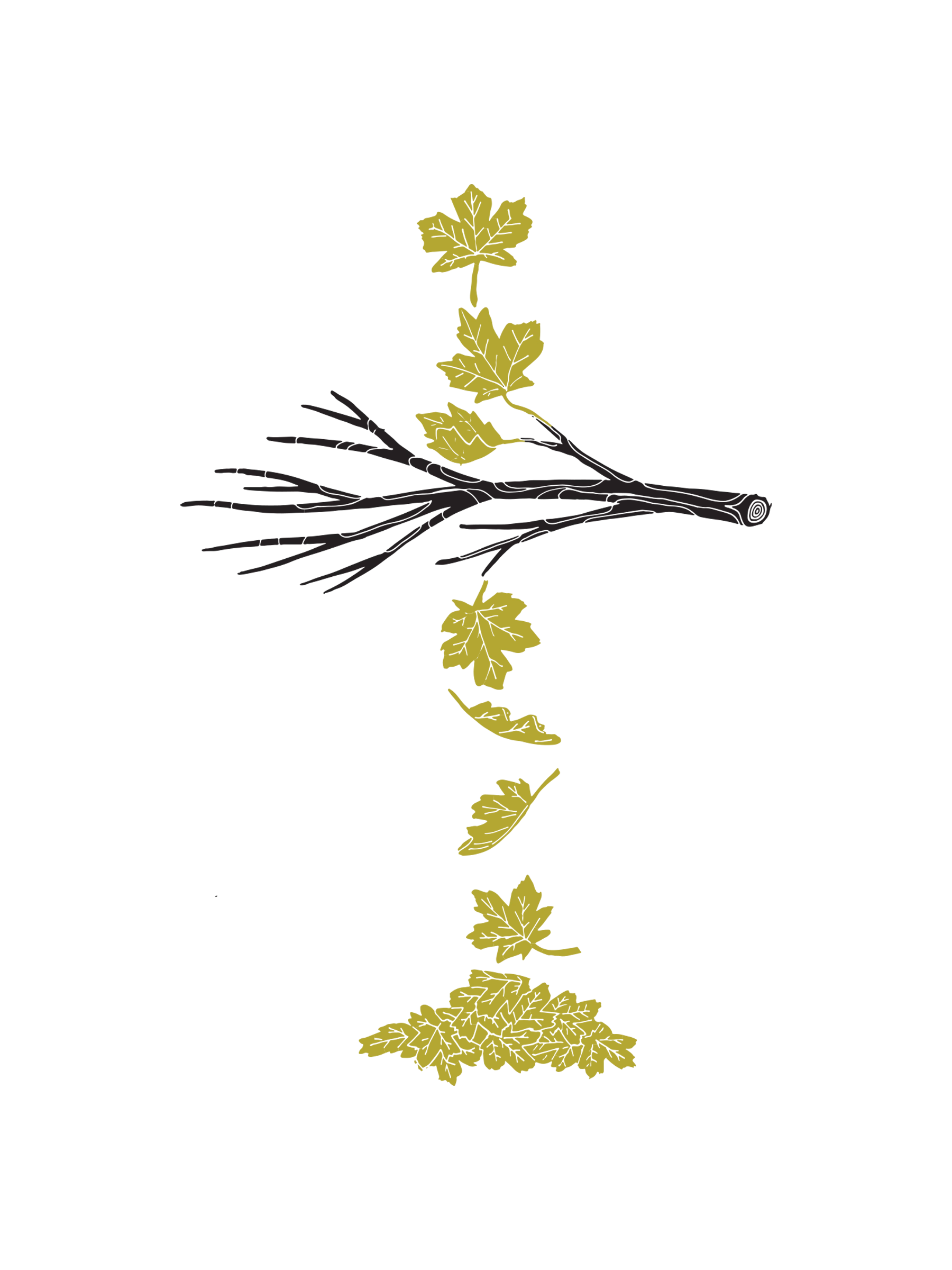
"Unless a kernel of wheat falls to the ground and dies, it remains only a single seed. But if it dies, it produces many seeds."
John 12:24Questions for Reflection
- What is your instinct when you see someone fall?
- Have you been in a season when the things holding you upright gave way?
- What does it mean to you that Jesus fell down?
Meditation
After the beatings, after carrying the cross, Jesus falls. His body gives out. While not in the Gospels, it has been added over time to symbolize Jesus' deep connection with his humanity.
Gravity is not something you negotiate with. When what is holding you upright fails — physically, emotionally, financially, spiritually — you go down. Not because your faith is weak. Because you are human.
Jesus does not rise heroically and keep walking. He falls. And in that fall, he stands with everyone who has ever had a season when the ground gave out.
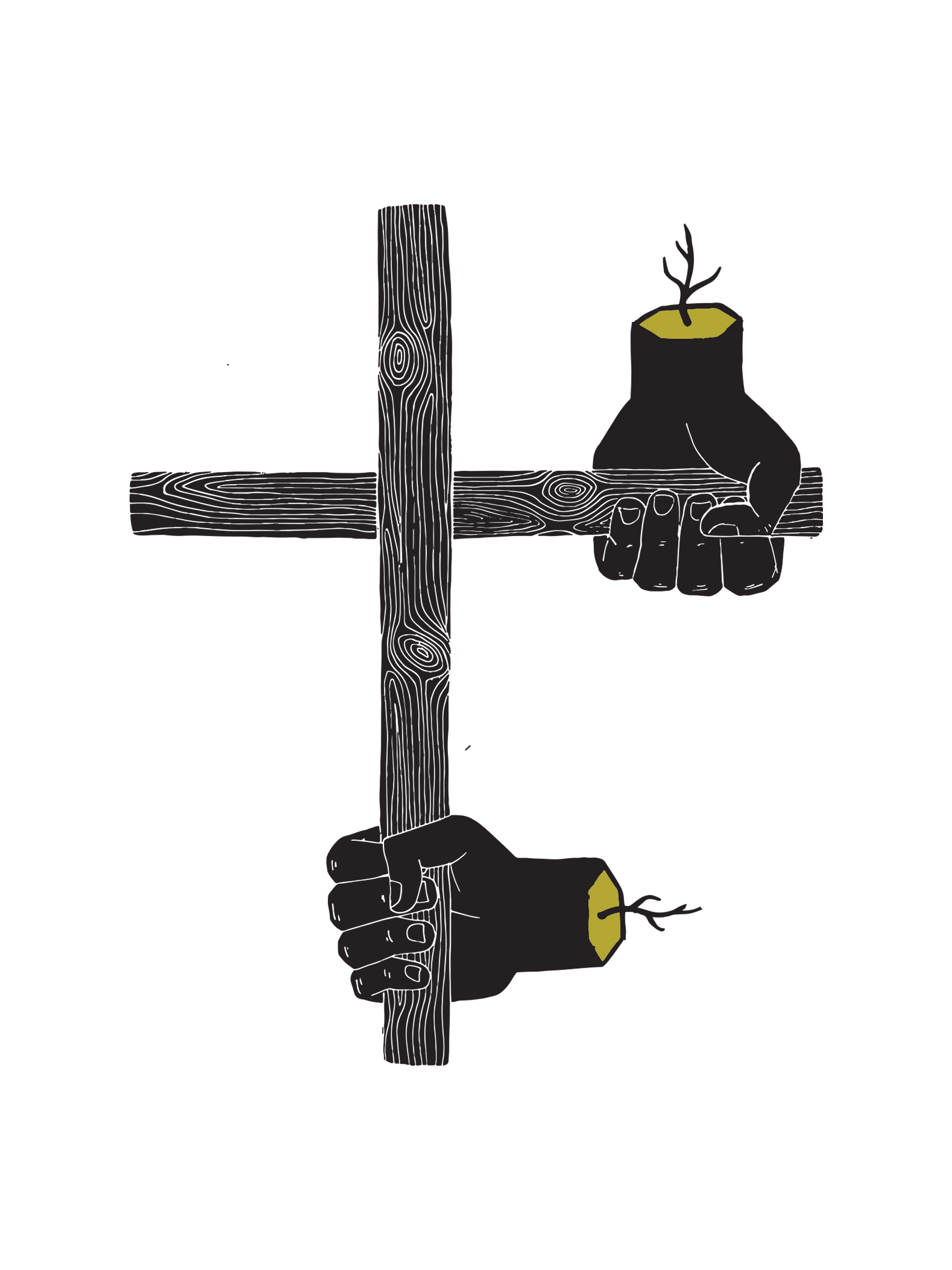
"If anyone would come after me, he must deny himself and take up his cross and follow me."
Matthew 16:24Questions for Reflection
- What has someone else carried for you that you couldn't carry alone?
- What does it mean to you that Jesus needed help?
- Who are you walking alongside through something difficult right now?
Meditation
Simon didn't volunteer. He was pulled from the crowd and conscripted. And yet his name has been remembered for two thousand years.
Jesus can no longer carry what has been laid on him. He needs help. Someone else has to carry his burden.
All of us will arrive at the edge of our own capacity. The humbling truth is we were never meant to do this alone. You will walk someone you love to the end of their life. Someone will walk with you. That is not a failure. It is the shape of love.
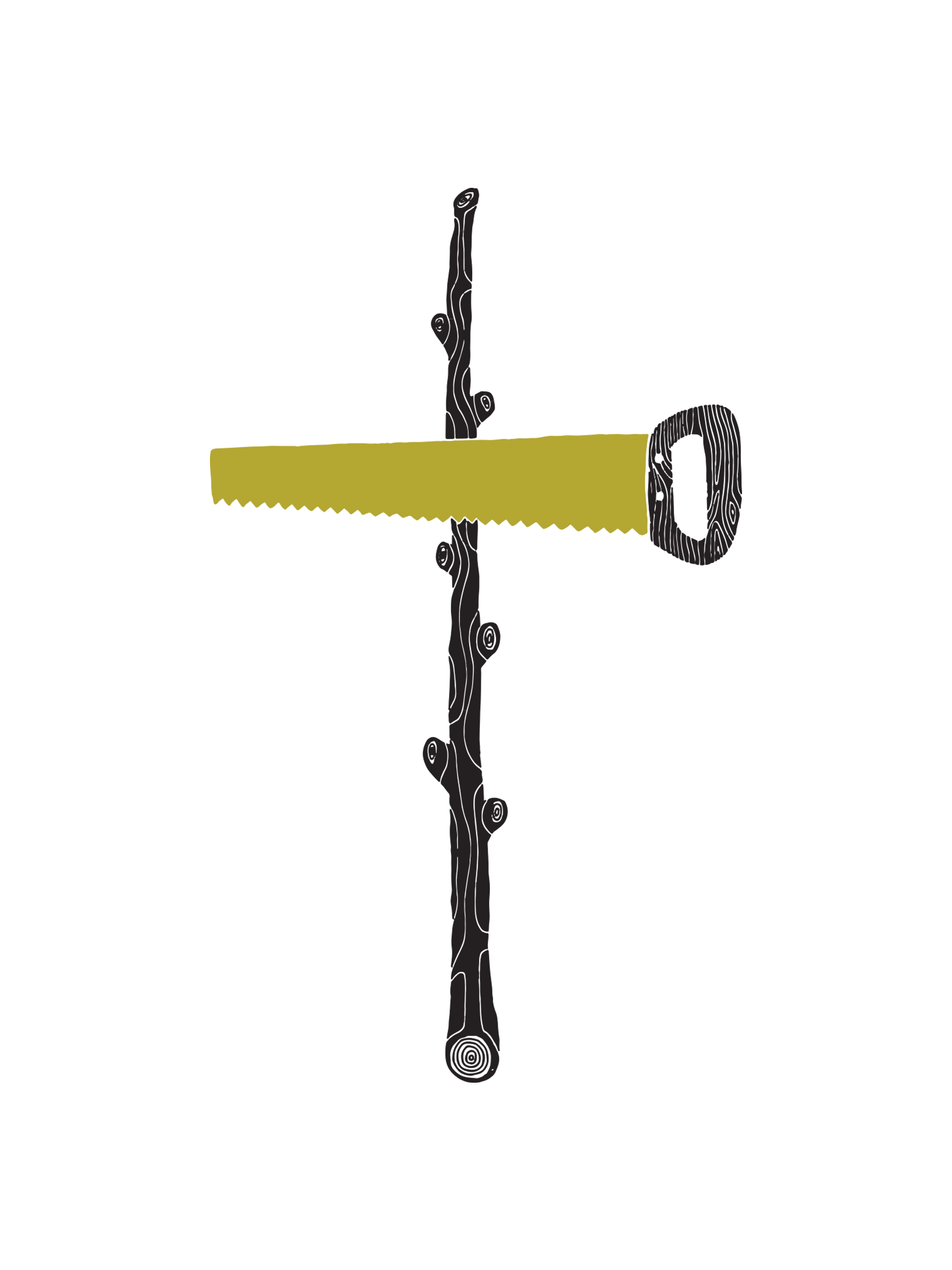
"Father, forgive them, for they don't know what they are doing."
Luke 23:34Questions for Reflection
- What do you hide behind? What protects you from being fully seen?
- Have you had a season when your protective layers were stripped away?
- What would it mean to be truly seen and still loved?
Meditation
Crucifixion was designed to humiliate. Total exposure. Nowhere to hide.
Most of us won't experience that literally. But we know what it feels like to have our protective layers removed — the reputation suddenly gone, the relationship that made us feel secure ended, the competence we were proud of publicly in question.
Nakedness, in this sense, isn't about clothes. It's about losing whatever we use to feel safe or worthy. Every human life eventually arrives there.
The staggering thing is what Jesus says in that moment: "Father, forgive them." Fully exposed, his first word is mercy. That is a dignity that cannot be taken away.
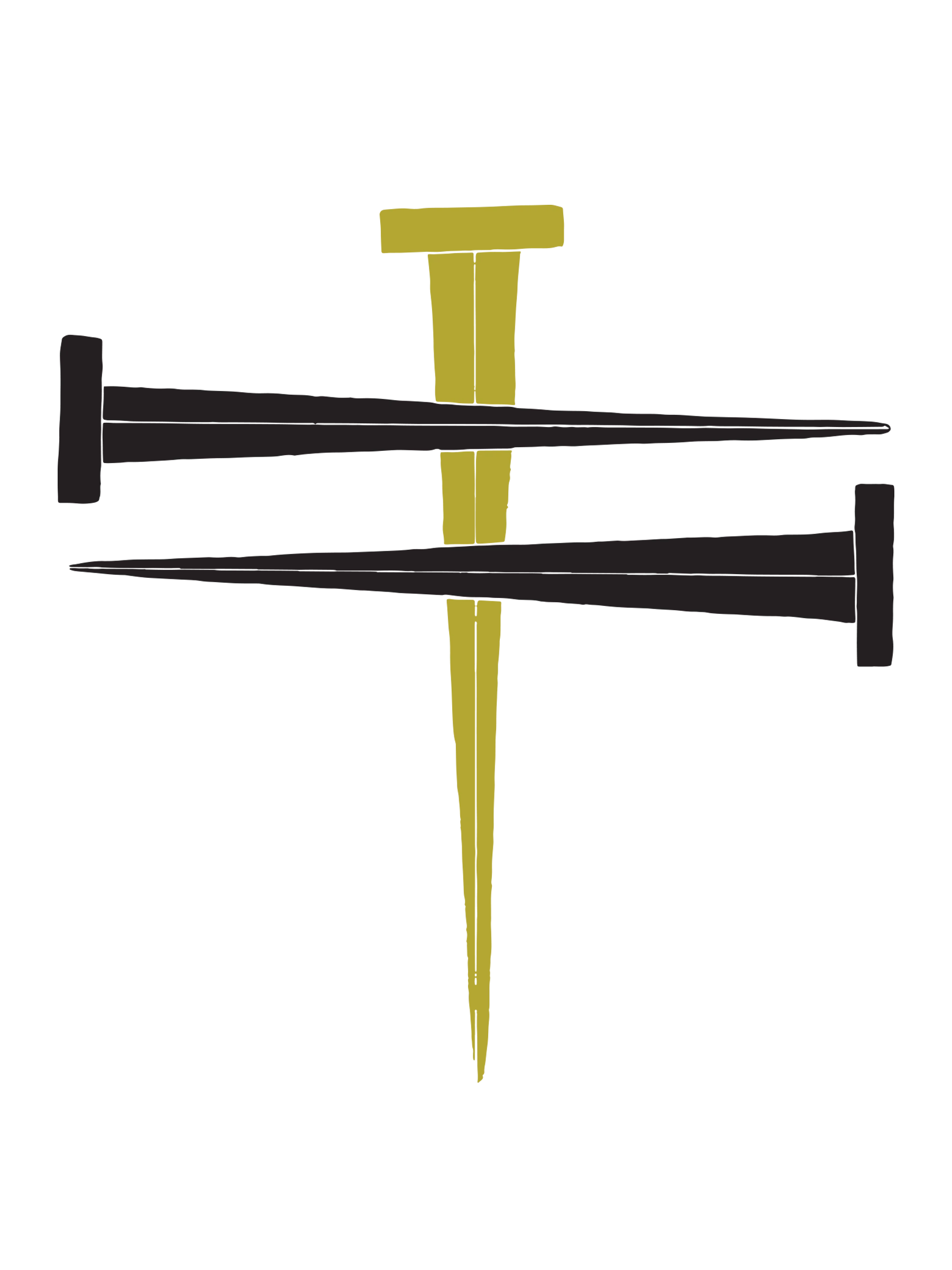
"My God, my God, why have you forsaken me?"
Matthew 27:46Questions for Reflection
- What is the most significant pain you have carried?
- Have you ever cried out to God in the middle of suffering?
- What do you make of Jesus asking why God has abandoned him?
Meditation
The word "excruciating" comes from the Latin for crucifixion. People had to invent a new word for what they were witnessing.
Jesus does not die quietly. He cries out — raw, desperate, abandoned-feeling: "My God, why have you forsaken me?" It is not a theological statement. It is a human one.
If you have ever prayed and felt only silence, you are in the company of Jesus on the cross. That cry is not edited out of scripture. It is offered to us as part of the story. Your pain is not a sign of weak faith. It is a sign that you are human. Jesus knows what that costs.
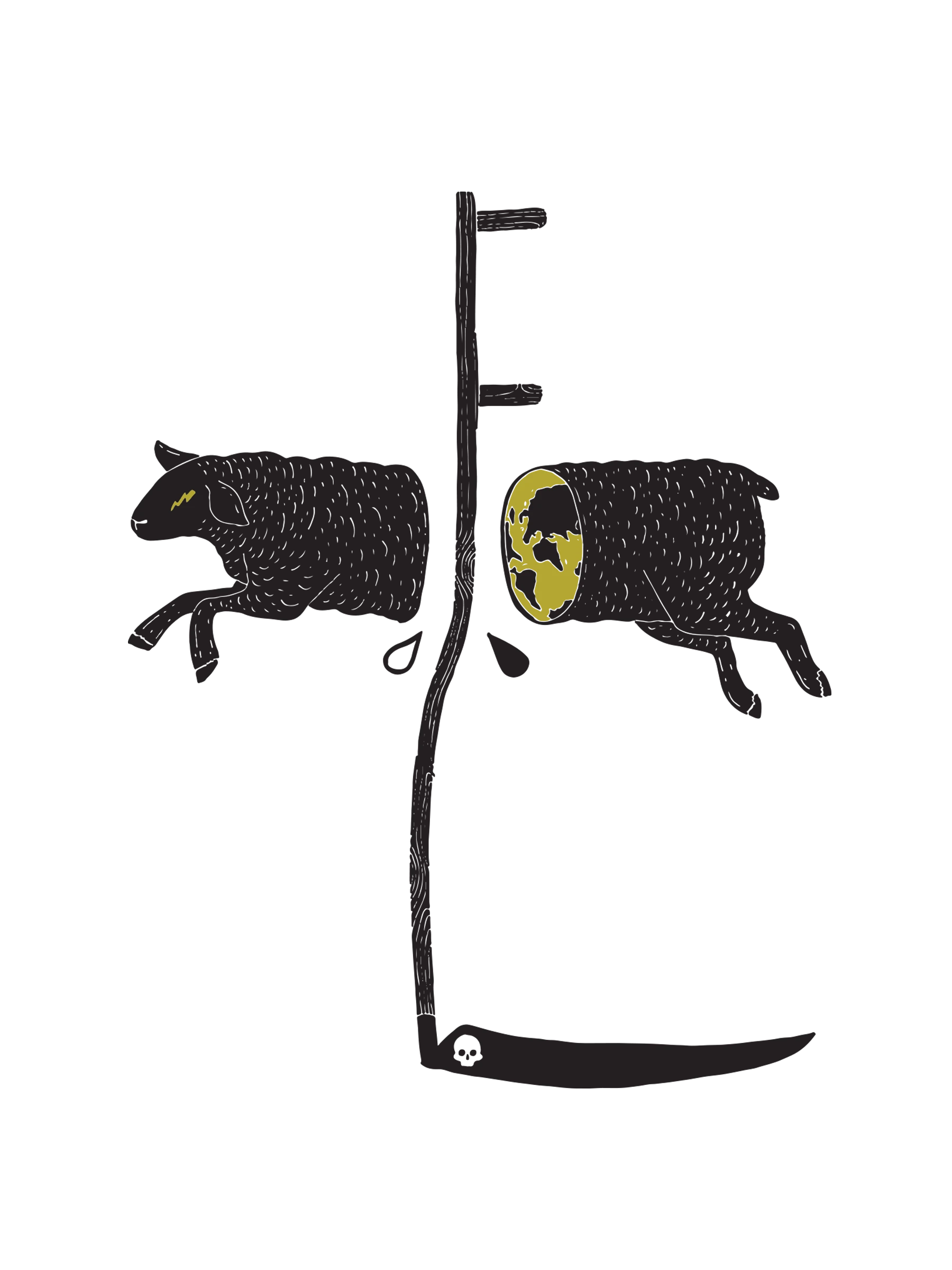
"Greater love has no one than this: to lay down one's life for one's friends."
John 15:13Questions for Reflection
- What was your first real encounter with death, and how did it change you?
- What do you feel sitting with the reality that this will happen to everyone you love?
- What, if anything, gives you peace about death?
Meditation
We want to move quickly past this station. Easter is coming. But there is something important about pausing here, in the darkness, without rushing.
Jesus died. He was here — present, breathing, alive — and then he wasn't. We have all stood at that threshold beside someone we loved and felt the strange, haunting absence where a person used to be.
Honest faith doesn't pretend to have the answers neatly wrapped. We have hope. We have grief. Both are real, and both deserve to be honored. This station simply asks us to stay and to know that even here, we are not alone. Jesus went first.
"Father, into your hands I commit my spirit."
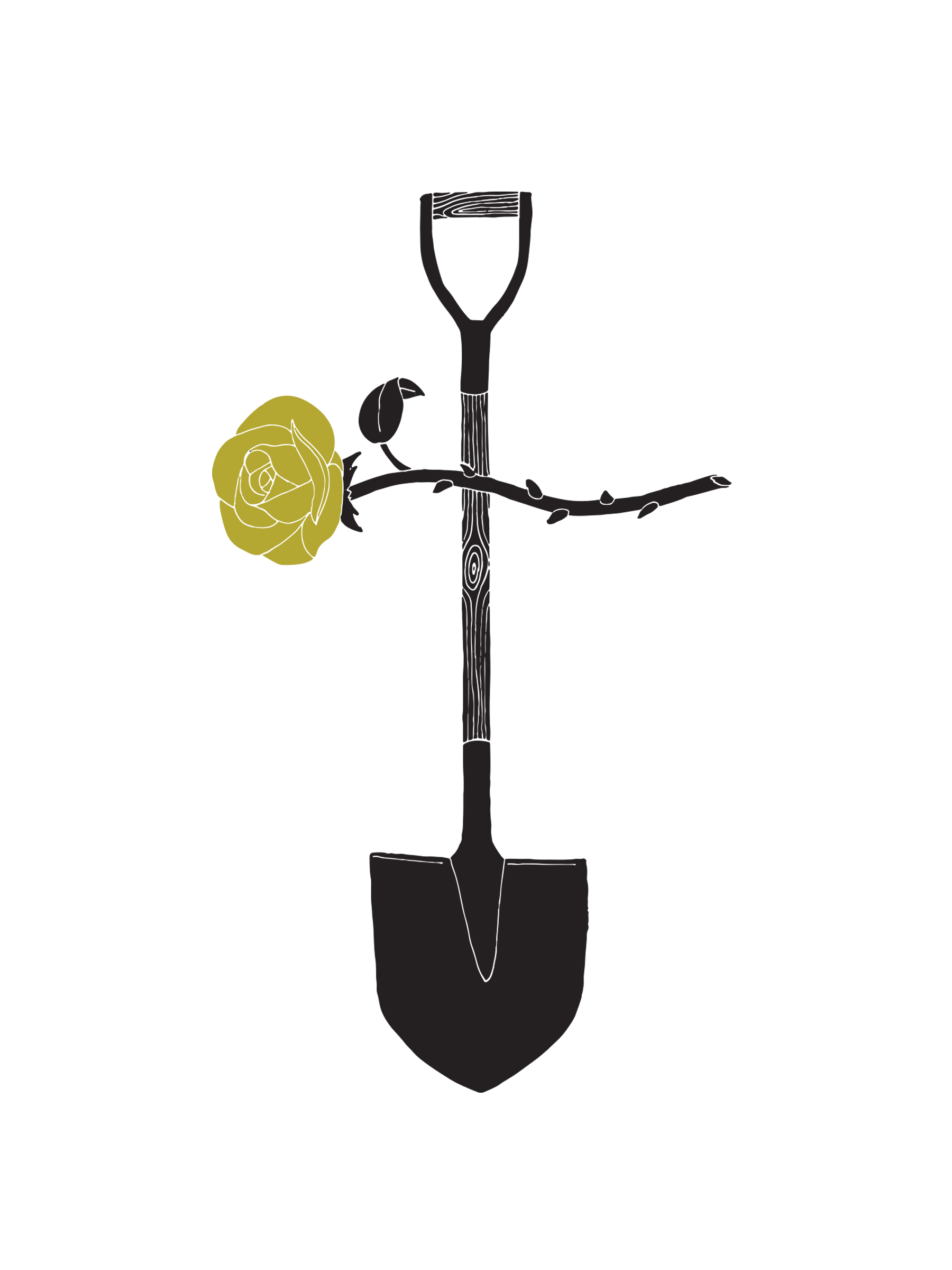
"When she poured this perfume on my body, she did it to prepare me for burial."
Matthew 26:12Questions for Reflection
- How do you remember and honor those you have lost?
- What do you think is the purpose of burial and funeral rituals?
- What do you hope people remember about you?
Meditation
The people who buried Jesus were careful and tender. They did not rush. Even in grief, they honored him.
We place flowers on graves to say what words cannot. We break the earth with a shovel and return the body to the ground. Dust to dust, as the old prayer goes. These rituals remind us that we are both body and spirit, tangible and intangible.
Something of us returns to the earth. Something else, we entrust to God. Remembrance is a holy act. It is beautiful because we can revisit moments we treasured, and sad because we know there won't be any new ones.
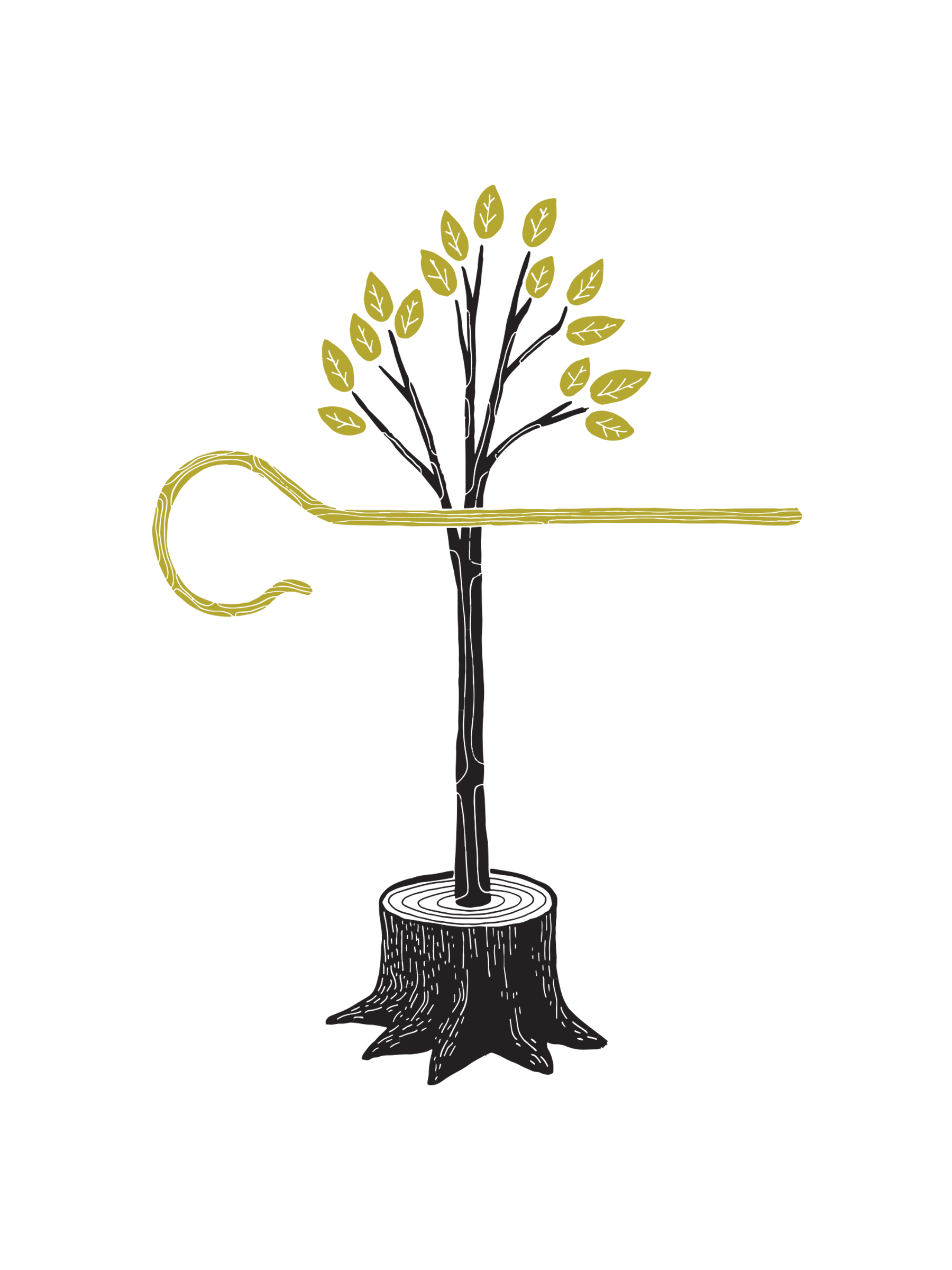
"I am the good shepherd. The good shepherd lays his life down for his sheep."
John 10:11Questions for Reflection
- What has been the hardest season of your life?
- Where have you witnessed something like resurrection — new life coming from loss?
- What would it mean to live as someone who cannot be separated from the love of God?
Meditation
This station doesn't belong here. The traditional Stations end at the grave. And yet here it is.
The purpose of these meditations has been to show that God, in Jesus, is not a distant observer of the hardest parts of human life. Every station we have passed through, Jesus knows from the inside.
And then he came back. Present. The wounds still there, but no longer fatal.
The invitation is not that your hard things will be removed. It is that they are not the end of your story. Nothing — not death, not failure, not grief, not shame — can separate you from the love of God.
He is risen.
He is risen indeed.
You don't need to arrive with answers or a particular kind of faith. You only needed to arrive — and you did. Go in peace.